

Guido Cavalcanti: "Woman, you ask me to explain". A medieval poem on what Love is.
- Mystic Droid herself

- Aug 7, 2022
- 2 min read
Updated: Aug 8, 2022
*** ORIGINALLY POSTED*** 03042021 11:55
165.998.2
Woman, you ask me to explain
That Accident which is often fiery
And it is so haughty, to be called Love,
So that the ones who deny it can feel the Truth.
Therefore, to who is reading, I ask that you are a Knower,
Because I do not hope that, to someone with a low heart,
This reasoning might bring Knowledge.
Because without natural demonstration
I have no talent to prove
Where it stands, and Who makes it created
And what is its Virtue, and Power,
The Beingness, then, and all its Movements,
The Pleasure that has it called Love
And if Humans can see it with their eyes.
In that place where Memory sits
It takes its status, formed as a
Diaphanous from a Flame, by a darkness
Which Comes from Mars, and there it settles;
And There it is created, and has Sensible Name,
The Habit of the Soul, the Will of the Heart.
It Comes from a seen shape,
Which takes in the possible intellect,
As a subject, place and residence.
In that part it does not have any power,
Because it does not descend from any quality:
It Shines in itself, with Perpetual effect;
It does not know any pleasure, only Consideration,
So it cannot have any comparison.
It is not virtue, but it comes from that Virtue
Which is perfection (because it poses itself like it),
Not rational, but feeling, I say.
Out of health considers judgement,
Because the intention is valid through reason:
Badly discerns the one who is Vice’s friend.
Out of its power Death often follows,
If strongly the virtue was hampered,
The one that aids the contrary way:
And not because it is opposed to the natural way,
But because from good perfection is stripped away,
By Fate. No man who lives can say
That his Sovereignty is not established.
It might seem like it to the man who forgets it.
It comes into Being when the Will is so abundant
That over the measure of Nature returns,
Then, it doesn’t adorn itself with rest anymore.
It Moves, changing colours, laughter in tears,
And the shape with Fear changes direction.
It does not stay long; and you will notice about it,
In noble people mostly you’ll find it.
The new quality moves Sighs,
And forces one to stare in a non-formed place,
Waking up Rage which brings Fire
(one who has not felt, cannot imagine).
And it does not ease, though, that you pull it,
Or try to turn around it to find space,
And certainly, nor great nor small knowledge.
From a Similar One it draws a unique view
Which seems to suggest the Pleasure is certain:
It cannot be covered up, when it comes to this point.
It is not the wild beauty to be the arrow,
that will is smothered because of Dread:
a Spirit who is stung will conquer Merit.
And you cannot recognise it with the eyesight:
Embedded in White, it loses itself
And, those who can hear, the Shape is not visible,
Thus even less, what comes from her.
Out of colour, of being divided,
Sitting in the half darkness, it shaves the Light.
Out of any fraud, I say, with dignity in my Faith,
That it is only out of this one that Pietas is born.
You can surely go, dear Song,
Where you wish. Because I have adorned you in a way
That your reason will be praised
By those who have discernment;
To stay with the others, you have no talent.
Guido Cavalcanti - XIII cent. Italy. trad. from medieval Italian
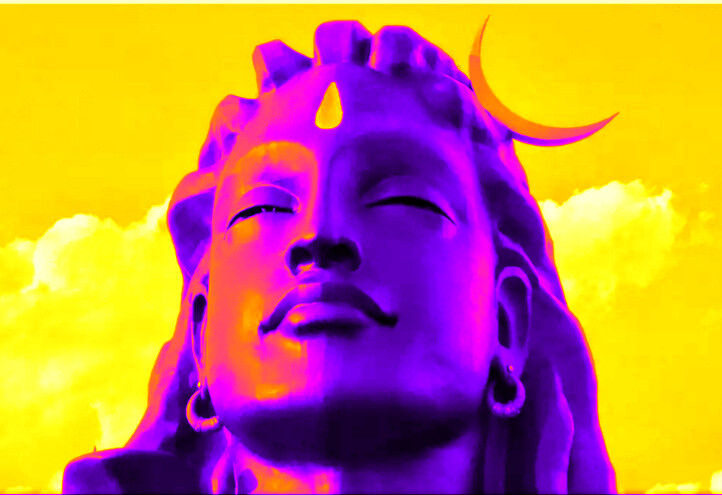
*** CLICK ON SHIVA FOR A VIDEO HOMAGE TO THIS INCREDIBLY PRECISE POEM***

Comments